





Choosing Grease Trap Sizes: A Comprehensive Guide for Kitchens
Proper grease trap sizing is essential for maintaining efficient kitchen operations and ensuring compliance with local regulations. Selecting the correct grease trap size prevents plumbing issues, reduces maintenance costs, and supports environmental protection efforts. This guide provides detailed information on how to determine the appropriate grease trap size for commercial kitchens, including restaurants, hotels, pubs, and takeaways.
Understanding the Importance of Choosing Grease Trap Sizes
Grease traps are designed to intercept fats, oils, and grease (FOG) from wastewater before it enters the sewer system. If a grease trap is undersized, it will not effectively separate grease, leading to blockages and costly repairs. Conversely, an oversized trap may result in unnecessary expenses and inefficient use of space.
When choosing grease trap sizes, several factors must be considered:
Volume of wastewater generated: The amount of water used during peak hours affects the trap size.
Type of kitchen equipment: Appliances such as dishwashers, sinks, and fryers contribute to grease production.
Local regulations: Compliance with municipal codes and environmental standards is mandatory.
Frequency of maintenance: Larger traps may require less frequent cleaning but higher upfront costs.
Selecting the correct size ensures optimal performance and longevity of the grease trap system.
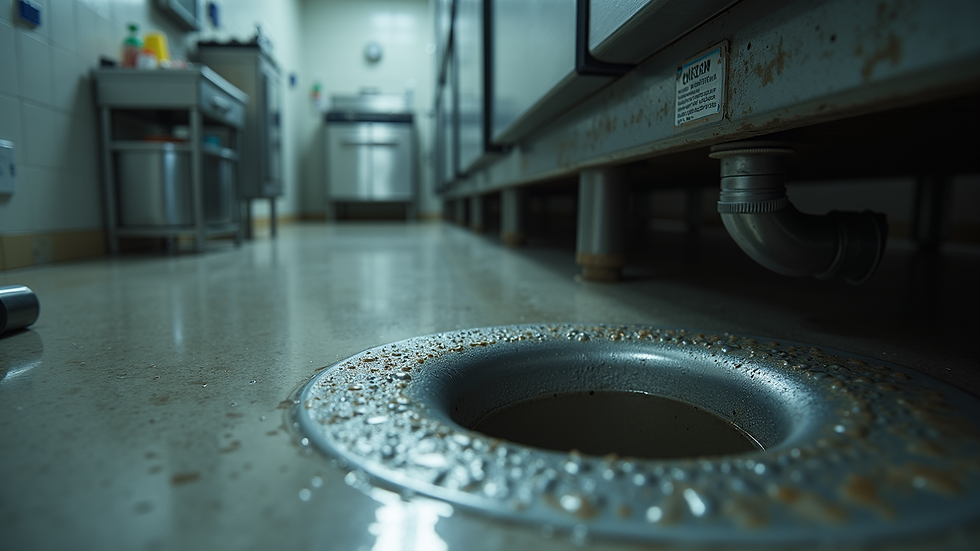
Key Factors in Choosing Grease Trap Sizes
Several technical parameters influence the sizing of grease traps. These include flow rate, retention time, and grease retention capacity.
Flow Rate
The flow rate is the volume of wastewater passing through the grease trap per minute. It is typically measured in gallons per minute (GPM) or liters per second (L/s). Accurate measurement or estimation of peak flow rates is critical for sizing.
Calculate flow rates based on fixture units or equipment specifications.
Consider peak usage periods to avoid undersizing.
Use manufacturer guidelines to determine flow rates for specific appliances.
Retention Time
Retention time refers to the duration wastewater remains in the grease trap, allowing grease to separate and float to the surface. A minimum retention time of 30 minutes is generally recommended for effective grease separation.
Ensure the trap volume accommodates the required retention time at peak flow.
Adjust sizing if the kitchen operates with variable flow rates.
Grease Retention Capacity
The grease retention capacity is the volume of grease the trap can hold before requiring cleaning. This depends on the kitchen's grease production and cleaning schedule.
Estimate grease production based on menu and cooking methods.
Plan for regular maintenance to prevent overflow and blockages.
By considering these factors, the appropriate grease trap size can be determined to meet operational needs and regulatory requirements.
Calculating Grease Trap Size: Step-by-Step Process
The process of calculating grease trap size involves several steps to ensure accuracy and compliance.
Identify all fixtures and equipment that discharge grease-laden wastewater.
Determine the flow rate for each fixture using manufacturer data or standard flow rates.
Sum the flow rates to obtain the total peak flow rate.
Calculate the required volume of the grease trap using the formula:
\[
\text{Trap Volume} = \text{Flow Rate} \times \text{Retention Time}
\]
For example, if the peak flow rate is 20 GPM and the retention time is 30 minutes:
\[
20 \, \text{GPM} \times 30 \, \text{minutes} = 600 \, \text{gallons}
\]
Select a grease trap with a volume equal to or greater than the calculated value.
Verify compliance with local codes and standards.
It is advisable to consult with a professional or use a grease trap sizing guide to confirm calculations and ensure proper selection.

Installation Considerations for Grease Traps
Proper installation is as important as correct sizing. The following points should be observed during installation:
Location: Install the grease trap as close as possible to the source of grease discharge to maximize efficiency.
Accessibility: Ensure the trap is accessible for inspection, cleaning, and maintenance.
Ventilation: Provide adequate ventilation to prevent odors and pressure buildup.
Slope and piping: Maintain proper slope in inlet and outlet pipes to facilitate flow and prevent blockages.
Compliance: Follow local plumbing codes and manufacturer instructions.
Incorrect installation can compromise the performance of even a correctly sized grease trap.
Maintenance and Operational Best Practices
Regular maintenance is essential to sustain the effectiveness of grease traps. The following practices are recommended:
Scheduled cleaning: Clean grease traps at intervals recommended by manufacturers or local regulations, typically every 1 to 3 months.
Record keeping: Maintain logs of cleaning dates, volumes of grease removed, and any repairs.
Inspection: Conduct routine inspections to detect damage or blockages early.
Use of additives: Avoid chemical additives that may interfere with grease separation.
Staff training: Educate kitchen staff on proper disposal of grease and solids to minimize trap load.
Adhering to these practices extends the life of the grease trap and prevents costly plumbing issues.
Enhancing Kitchen Efficiency with Proper Grease Trap Selection
Selecting the correct grease trap size contributes significantly to kitchen efficiency and regulatory compliance. It reduces the risk of sewer backups, minimizes downtime, and supports sustainable waste management.
Aluline Greasetraps offers durable products and expert services tailored to commercial kitchens. Their solutions help maintain smooth operations and meet environmental standards effectively.
By following this guide and consulting professional resources, kitchens can optimize their grease management systems and avoid common pitfalls associated with improper sizing.
This guide has outlined the critical aspects of choosing grease trap sizes, from understanding key factors to installation and maintenance. Proper sizing and care ensure that grease traps perform their intended function reliably, supporting the overall success of commercial kitchen operations.


Comments